Daily habit summaries
A brief summary of observed activity and changes in routine. Summaries reflect what the devices can observe—not a complete account of the day or a medical assessment.
Did my parent answer today’s check-in?
Were there any possible fall alerts?
What activity did Lighthouse observe today?
Has their observed routine changed?
Who gets an alert if something happens?
What happens if nobody answers?
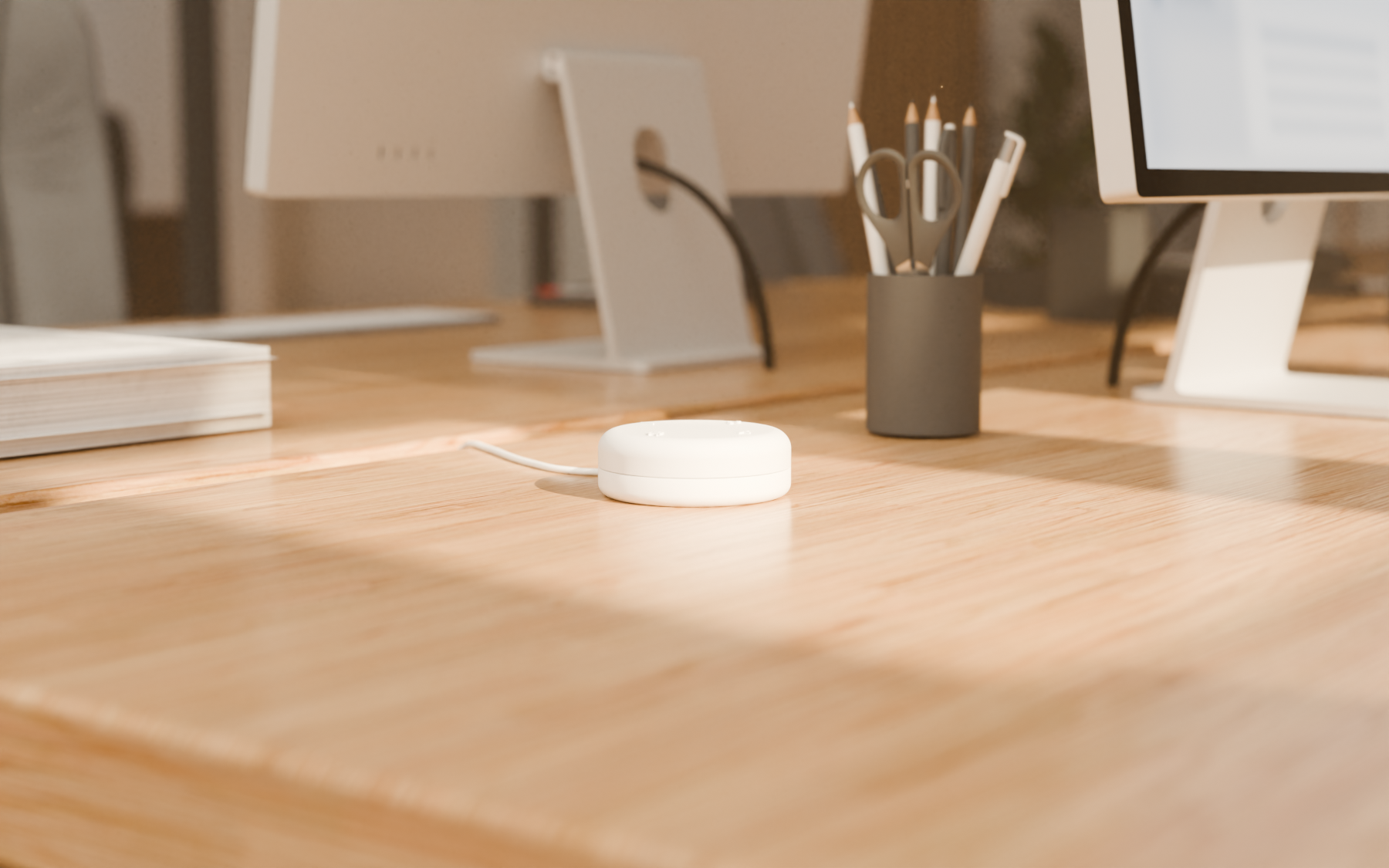
Lighthouse monitors for possible falls, checks in with your parent each day, and sends you a short summary of their observed routines.
A brief summary of observed activity and changes in routine. Summaries reflect what the devices can observe—not a complete account of the day or a medical assessment.
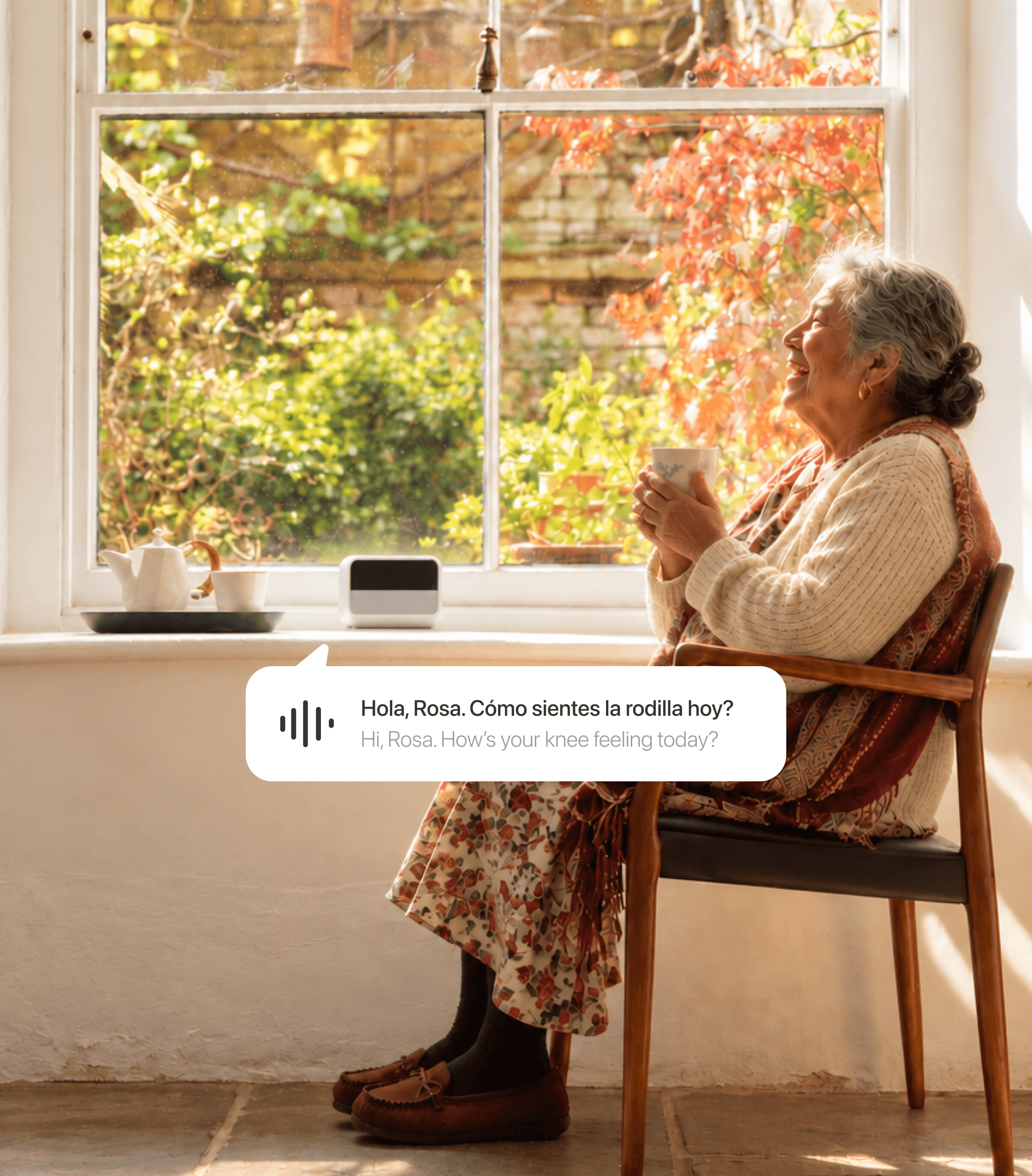
Lighthouse checks in with your parent each day about how they’re feeling and any recent changes to their health. Conversations can happen in any language. If they don’t answer, your chosen contacts are notified so someone can follow up.
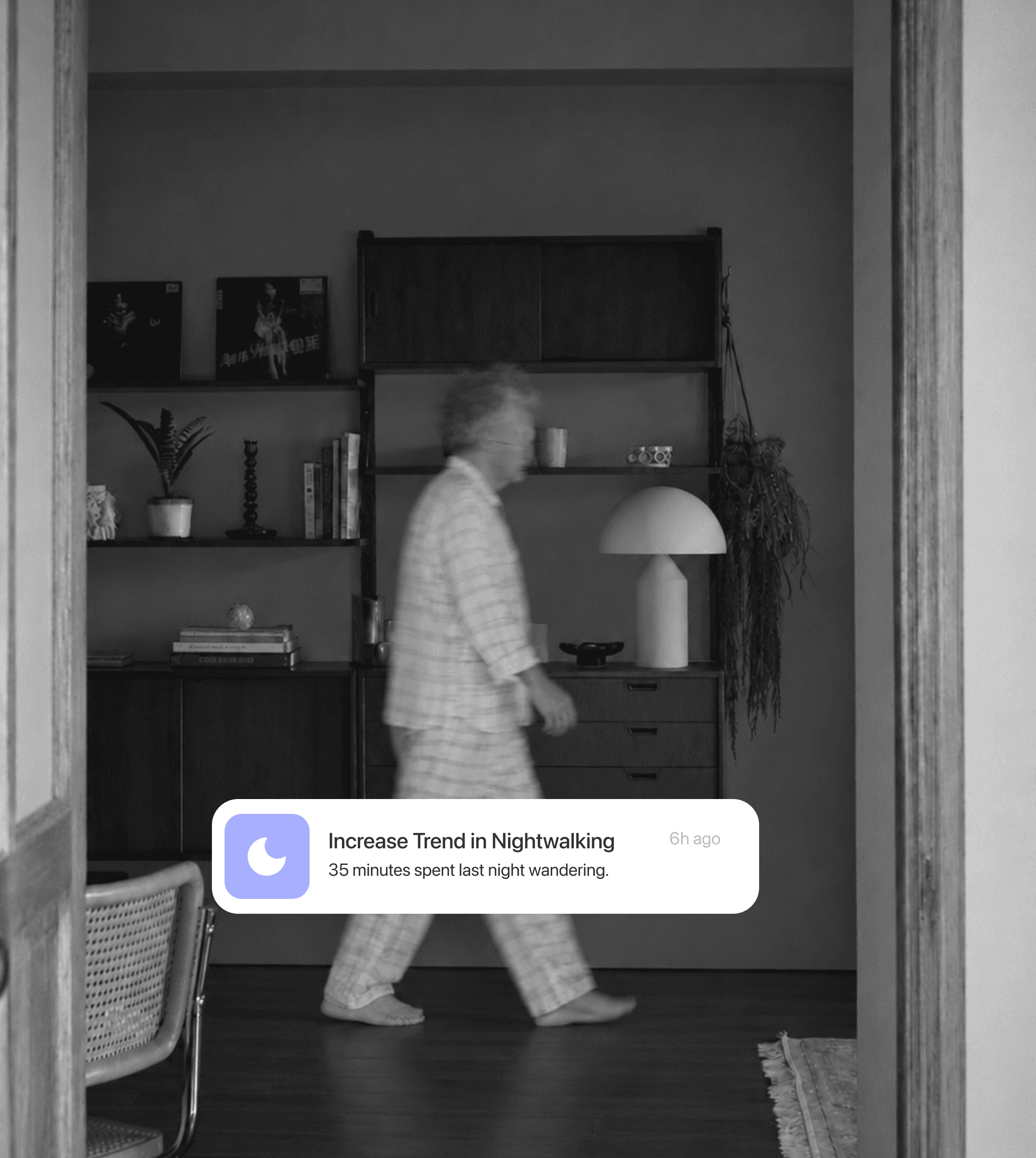
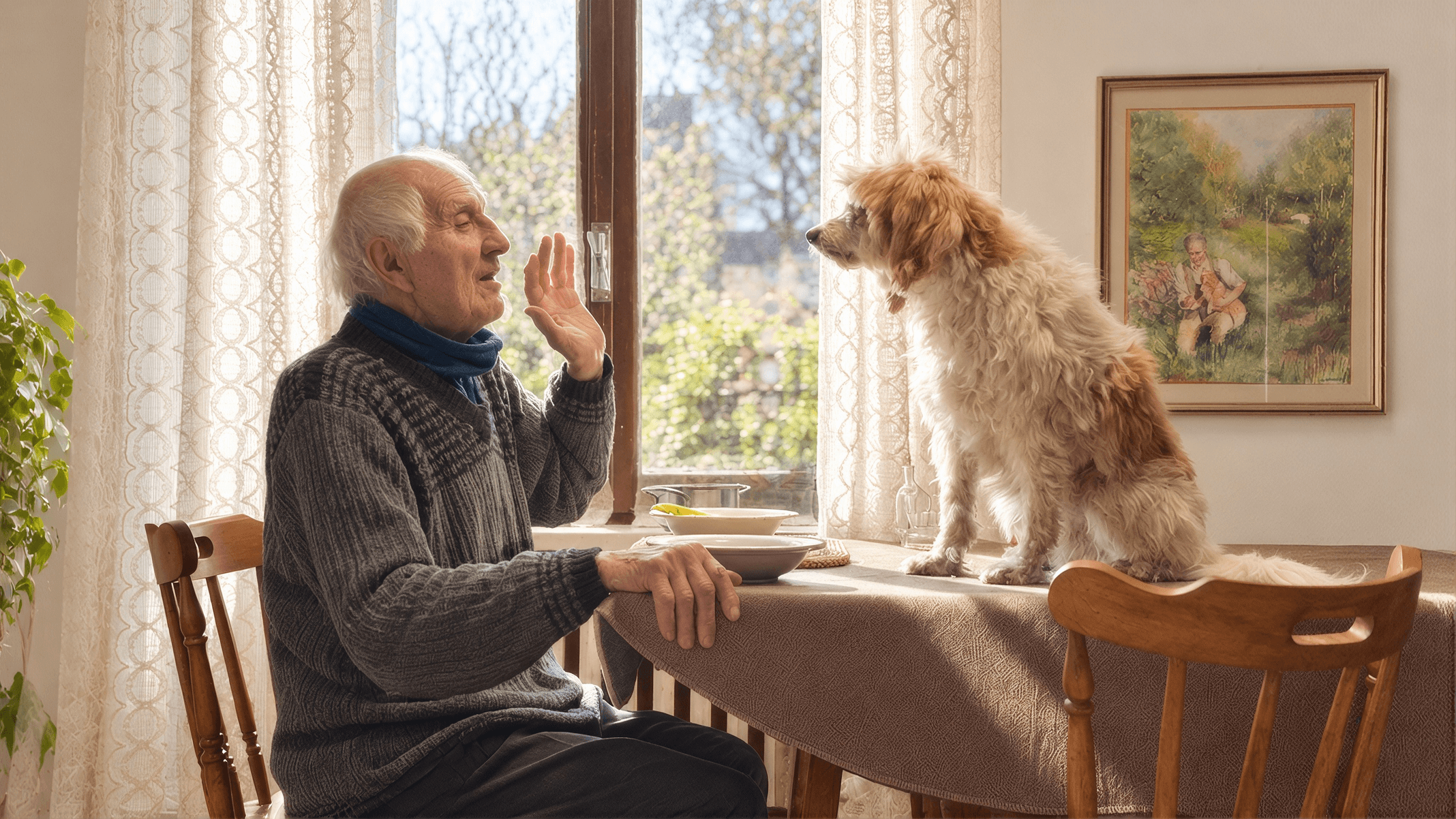
See your parent’s nighttime activity in agreed camera-covered rooms, whether they’re getting a glass of water, talking, or wandering aimlessly. Coverage is planned with their consent, with no cameras in bedrooms or bathrooms.
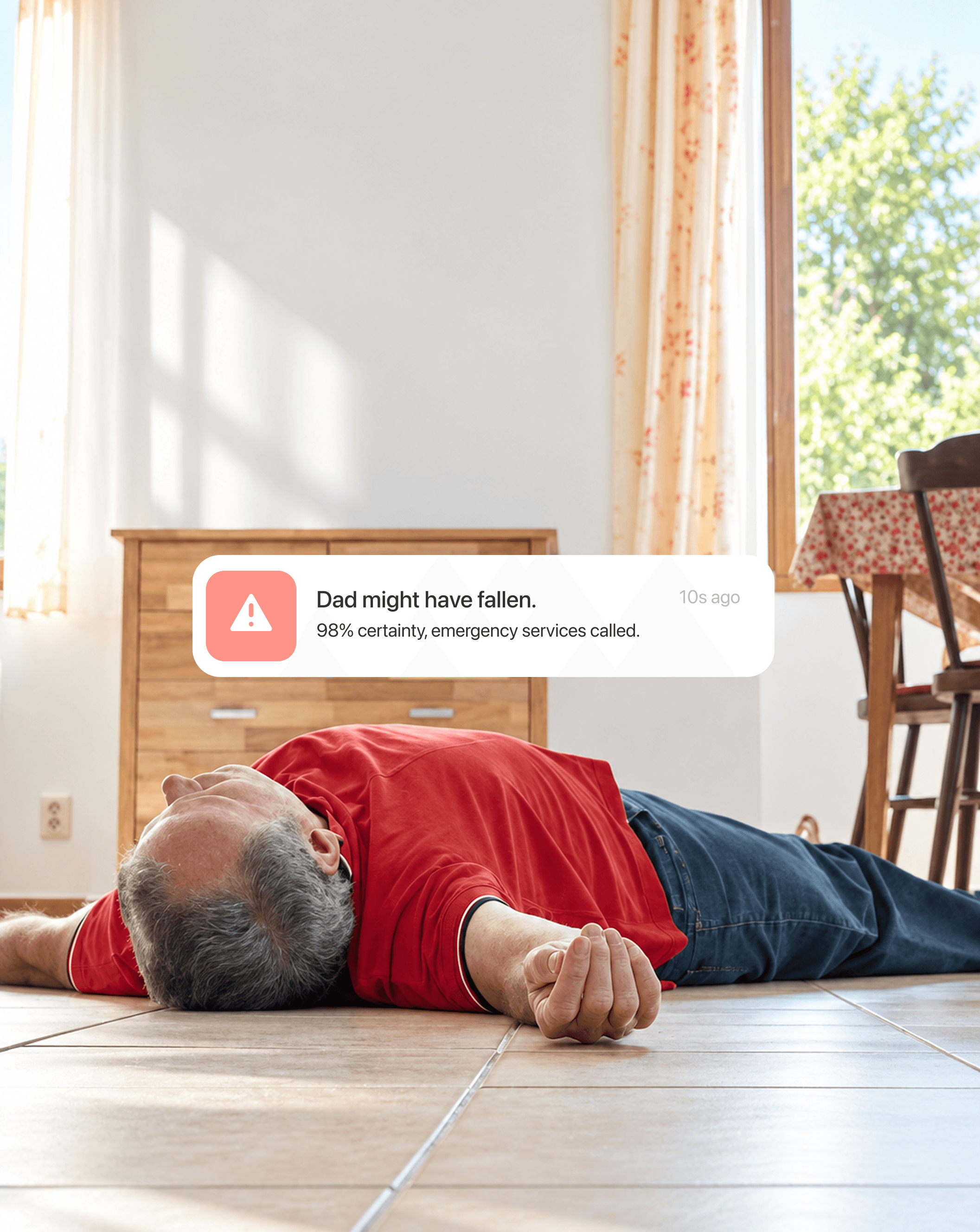
When Lighthouse detects a possible fall, it alerts the contacts in your parent’s response plan. Before setup, we agree on who responds and what happens if nobody answers.
Cameras cover only shared spaces your parent agrees to. Optional privacy mode shows people as stick figures. Bedrooms and bathrooms do not use images or video; they use radar for movement and possible falls.

Free installation in San Francisco/Bay Area.

$0
$19/mo
$39/mo
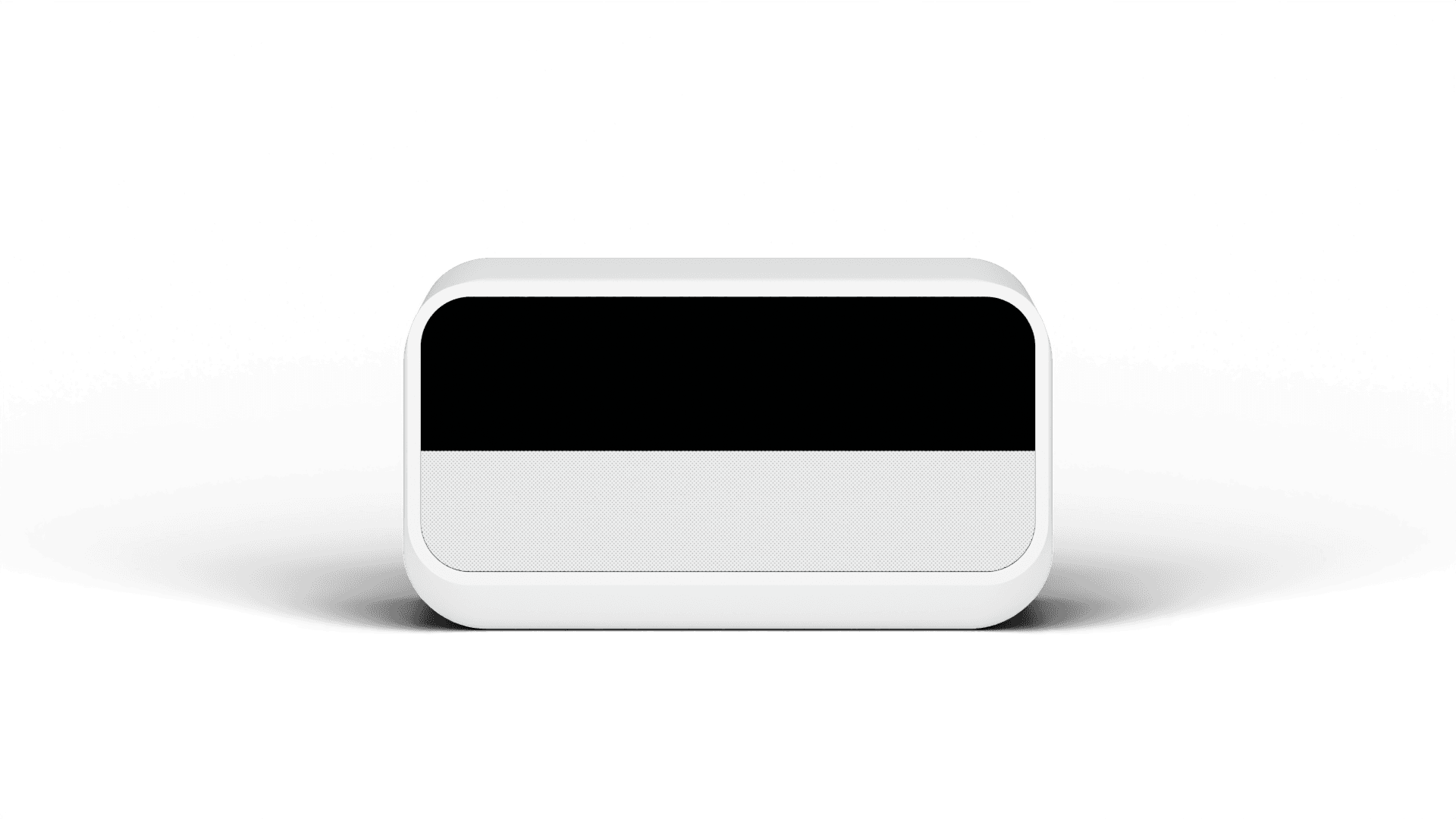
Devices are $49 each. Installation is free.
When your parent lives alone, a quick phone call gives you only a small glimpse into how they’re really doing. Lighthouse helps you stay aware of their day, notice changes in their routine, and know about missed check-ins or possible falls—even when you can’t be there. Noticing changes sooner gives you more chances to check in and offer support before small concerns become serious problems. Getting help early may also help avoid costly hospital visits and bigger care needs down the road.
Yes—from Arabic to Zulu, your parent can use their preferred language for Lighthouse’s automated check-ins and any other conversations with the device. Just talk to it naturally. Emergency responders through our planned Rapid Response Monitoring (RRMS) partnership would be U.S.-based and speak English only. This partnership is not yet in place.
Lighthouse alerts multiple agreed-upon emergency contacts if it detects a possible fall. We’re planning to partner with Rapid Response Monitoring (RRMS) to add 24/7 help from trained, U.S.-based responders. Our goal is for an English-speaking responder to check on your parent and contact local emergency services when needed. This partnership is not yet in place.
With Care or Care+, Lighthouse follows your parent’s agreed response plan and alerts the next chosen contact if you don’t answer. We’re planning to partner with Rapid Response Monitoring (RRMS) so trained, U.S.-based responders can provide 24/7 support, check on your parent, and contact local emergency services when needed. This partnership is not yet in place, so your chosen contacts remain responsible for responding.
Not automatically. A possible fall alert means your parent needs to be checked on. With our planned Rapid Response Monitoring (RRMS) partnership, a trained responder would check on your parent and contact local emergency services if needed. This partnership is not yet in place; for now, your chosen contacts need to arrange emergency help when necessary.
Yes. Lighthouse can miss a fall or send a false alarm. When it detects a possible fall, the device asks your parent through its speaker if they’re okay and tries to confirm what happened, with a follow-up call to their phone. Once our planned Rapid Response Monitoring (RRMS) partnership is active, emergency services will be on standby when a possible serious fall is detected—even while the speaker is trying to confirm what happened with your parent. This partnership is not yet in place. The speaker also lets your chosen contacts communicate with your parent while help is on the way, if help has been arranged. Always check an alert, and don’t assume your parent is safe just because there was no alert.
No. These rooms use radar to sense movement and possible falls, without taking pictures or video. Cameras go only in shared rooms your parent agrees to.
Of course! Your parents should agree to and feel comfortable with where the devices go, which rooms have cameras, and who gets alerts and updates.
Yes. Connect lets you see them in agreed camera-covered rooms and talk through the speaker for $0/month. You still pay for the devices. Fall alerts and daily check-ins need Care or Care+.
With Care or Care+, your chosen contacts are told the check-in went unanswered. Your parent may just be busy or out—it’s a reason to check on them, not proof of an emergency.
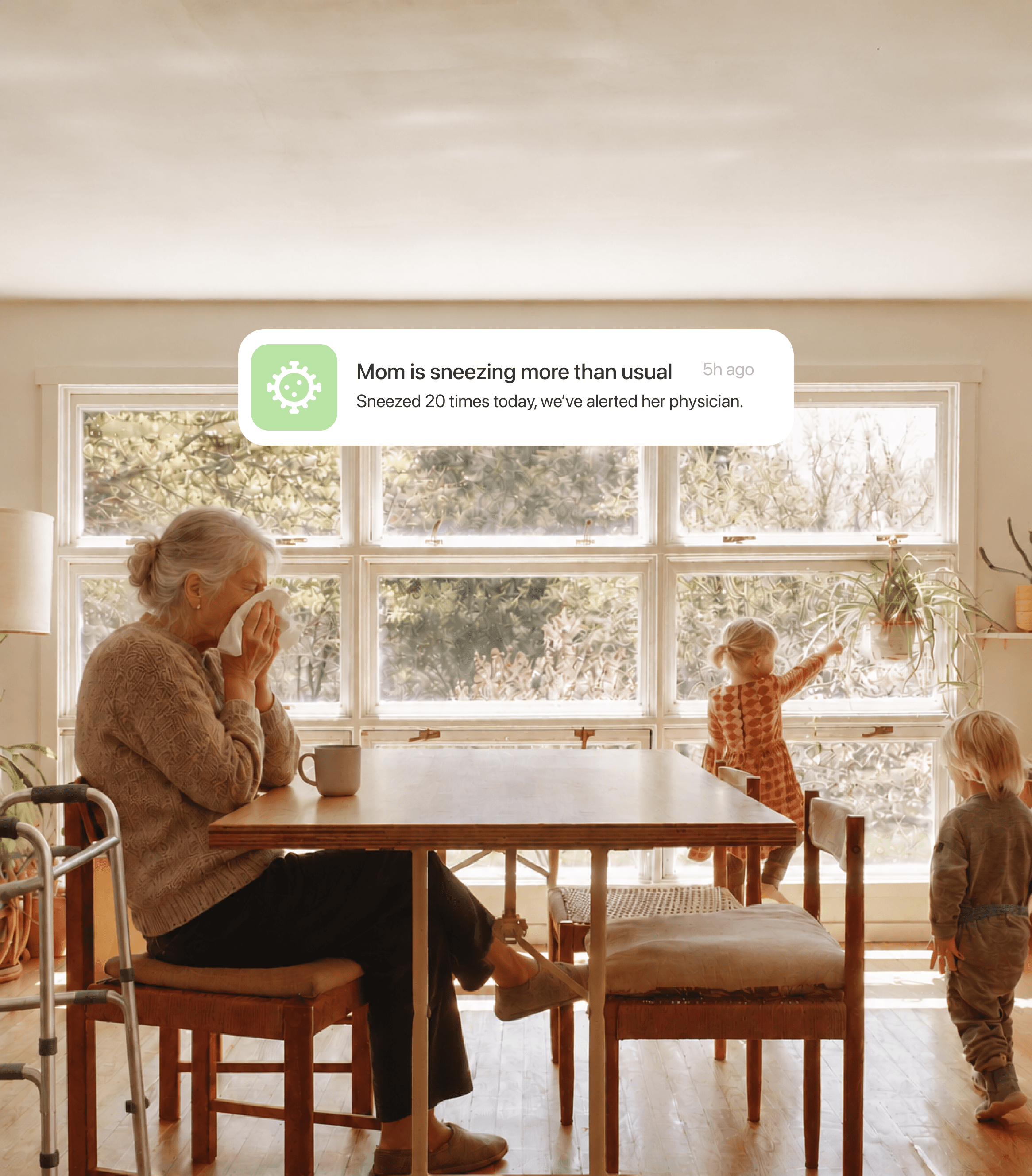
Daily insights may flag changes worth checking on, such as: • More observed sneezing or coughing • Unusual speech or confusion during daily check-ins • Nighttime walking that may suggest sleepwalking • Less observed walking or more difficulty moving • More missed check-ins The following are still in development: • More difficulty standing up from a chair • Unsteady walking or repeated near-falls • More time sitting than usual • Changes in visits to the kitchen • Repeated questions or unusually slow responses during check-ins • Reports of pain, dizziness, fatigue, or poor appetite With your parent’s consent, you can share these insights with their doctor. They aren’t a diagnosis and only reflect what the devices observe or your parent shares—not their whole day.
No. Lighthouse helps you stay informed between calls and visits. Your parent still needs their usual care, regular contact, and someone who can help when needed.
Devices are $49 each, and installation is free. Connect is $0/month, Care is $19/month, and Care+ is $39/month. We’ll tell you how many devices you need and the total cost before you commit.
Help your parent keep their independence, and feel closer even when you’re not nearby.
Choose devices